

Choosing eco friendly products for the home is not just a lifestyle trend in 2025 — it is a necessity. From the paint on your walls to the wood in your furniture, every product you bring home can impact your health and the environment. That’s where certification for eco friendly products plays a key role.
But here is the problem: the market is crowded with labels. Some are internationally recognized, others are local, and a few are just marketing gimmicks. If you have ever felt confused looking at “eco” or “green” tags, you are not alone.
In this guide, we will simplify things for you. We will explore the top green certifications for eco friendly products you should look out for, why they matter in 2025, and how to make smart choices for your eco home products.
Table of Contents
What Is a Green Certification for eco friendly products?
Green certification for products is a third-party assurance that a product meets specific environmental and health standards. Unlike vague “eco-friendly” claims, certifications are backed by testing, audits, and measurable criteria.
They help consumers answer questions like:
- Was this product made with sustainable resources?
- Does it release harmful chemicals indoors?
- Will it save energy and reduce costs in the long run?
- Can it be recycled or safely disposed of?
Simply put, green products certification removes the guesswork and gives you confidence that what you are buying is genuinely eco friendly.
Why Green Certification for Products is More Important Than Ever (2025)
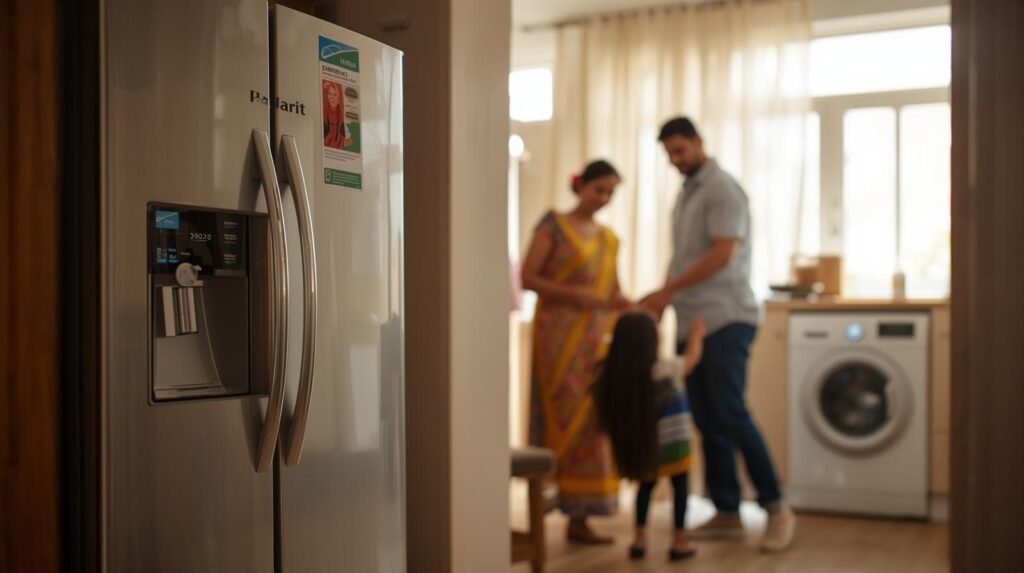
Consumer awareness and regulation: More and more consumers are insisting on evidence – not just marketing buzz. Governments and building codes in many countries now prefer or require products with eco-friendly certification.
Health and indoor environment: We spend much of our lives indoors. Products such as furniture, flooring, paint and clothing can emit VOCs and other chemicals. Certifications that limit emissions reduce exposure, especially for children, the elderly and vulnerable people.
Climate and resource impact: Choosing sustainably sourced or recycled materials, energy-efficient appliances and products with a long lifespan helps reduce carbon emissions and waste.
Value over time: Although certified products may cost more initially, energy savings, maintenance and reduced health impacts can make up for it over time.
Top 7 Green certification for eco friendly products you Should Know
Here are the most reliable certifications to look for when shopping for eco friendly products for home in 2025.
1. Energy Star
- What it is: A global standard for energy efficiency.
- Covers: Appliances, lighting, HVAC systems.
- Why it matters: Reduces electricity use, lowers bills, and cuts carbon emissions.
2. LEED (Leadership in Energy and Environmental Design)
- What it is: A certification for sustainable buildings and materials.
- Covers: Flooring, paint, construction materials.
- Why it matters: Globally recognized, ensures a holistic approach to eco design.
3. GreenGuard (UL Environment)
- What it is: Focuses on indoor air quality.
- Covers: Paints, furniture, flooring, adhesives.
- Why it matters: Products release fewer VOCs, making homes healthier.
4. FSC (Forest Stewardship Council)
- What it is: Ensures responsible forestry.
- Covers: Wood furniture, paper, flooring.
- Why it matters: Guarantees wood comes from sustainable, well-managed forests.
5. Cradle to Cradle Certified™
- What it is: Evaluates a product’s lifecycle from creation to disposal.
- Covers: Fabrics, packaging, furniture.
- Why it matters: Encourages circular economy, reducing waste.
6. EU Ecolabel
- What it is: A European standard for overall environmental impact.
- Covers: Cleaning products, textiles, paints.
- Why it matters: Strict, broad standards — ensures minimal harm across product categories.
7. India’s Eco Mark
- What it is: A government-backed certification for Indian consumers.
- Covers: Household goods, detergents, paints, food items.
- Why it matters: Locally relevant and cost-effective option for eco conscious buyers.
Read Also- Top 15 Eco-Friendly Home Decor Brands You Need to Know in 2025
How to Read Eco Labels
Not all certifications are created equal. Here is what you should check:
- Scope: Does the certification cover energy, materials, or health impacts?
- Region: Is it valid globally or only in certain countries?
- Level: Some certifications have tiers (Gold, Silver, Platinum).
- Expiry Date: Certifications are reviewed periodically — check if it’s current.
- Authenticity: Watch out for fake logos or vague claims like “eco-friendly” without proof.
Real-World Trade-Offs & Cost Considerations
While certifications are valuable, they often involve higher costs for manufacturers. Those costs can get passed to consumers. Here are some trade-offs:
- A sofa with UL GREENGUARD Gold finish + FSC wood might be significantly more expensive than a similar uncertified one.
- Importing certified goods can add shipping/tariff costs.
- Certifications sometimes favour large manufacturers who can afford testing and audits; small producers may produce sustainable goods but lack formal certification.
That said, over time, savings in energy bills, improved indoor air (fewer health complaints), and potentially longer lifespans often offset the premium cost. Also, certified goods can add resale value or improve property valuation (in green building context).
Choosing Eco Home Products
Want to bring more eco friendly products for home? Here’s how:
- Start Small: Begin with everyday items — LED lights, certified furniture, low-VOC paint.
- Match Your Priorities:
- Want energy savings? Look for Energy Star.
- Sensitive to allergies? Pick GreenGuard certified products.
- Buying furniture? Choose FSC wood.
- Check Labels in Store: Flip the product, read the certification details carefully.
- Balance Cost & Value: Certified products may cost more upfront, but save money long-term.
- Shop Trusted Brands: Stick with brands known for sustainability; they are more likely to have reliable green certifications.
Read Also- How to Choose Non-Toxic Eco Paints for Homes in 2025
For Examples
- Furniture: An FSC-certified dining table not only looks stylish but also ensures the wood came from responsibly managed forests.
- Paint: GreenGuard paints reduce indoor pollution, making your home safer for children.
- Appliances: Energy Star washing machines use 20–30% less energy, saving thousands over their lifetime
Conclusion
In 2025, navigating eco labels does not have to feel overwhelming. By focusing on trusted green products certification, you can create a home that’s safe, stylish, and sustainable.
Remember: the right certification for eco friendly products is your best assurance that you are making a positive impact on your family’s health and the planet. Next time you shop, look beyond the marketing and look for the certification.
FAQs
Q1. Why should I care about certification for eco friendly products?
A certification ensures that a product truly meets environmental and safety standards, giving you confidence in your purchase.
Q2. Which certification is best for eco friendly furniture?
Look for FSC certification for wood and GreenGuard for low-emission finishes.
Q3. Are eco certified products more expensive?
Yes, sometimes upfront costs are higher, but they often save money long-term through durability and efficiency.
Q4. What is the difference between eco labels and certifications?
Eco labels are general tags, while certifications are verified by independent organizations.
Q5. Can I find green certification for products in India?
Yes. India’s Eco Mark and BIS standards are recognized, along with global certifications like FSC and GreenGuard.