

We all know the pain of opening a high electricity bill. Whether it is summer with ACs running full-time, or winter with geysers, bills keep climbing. In India, households account for nearly 25% of total electricity consumption. That is a big number, but the good news is that with the right appliance choices, lighting hacks, and smart usage, you can bring your bill down by 20–35% without compromising comfort.
This post is your step-by-step guide to reducing home energy bills with a focus on appliances and lighting.
Table of Contents
Reducing Home Energy Bills: Which Appliances Consume the Most Electricity?
First, we need to know which electrical gadgets consume the most power. Only then can we implement smart strategies for handling them.
| Appliance | Typical Consumption | Why it is Expensive |
| Air Conditioner | 1.0–1.2 units/hour (depends on star rating) | Long usage hours in hot months |
| Geyser / Water Heater | High wattage in winter | Heating water requires lots of energy |
| Refrigerator | Runs 24×7, cycles on/off | Always plugged in |
| Lighting | CFL/incandescent wasteful | Older bulbs consume more per lumen |
| Fans | 20% of household electricity | Used day and night in summers |
| Washing Machine, Iron, Oven | High load, short bursts | Still adds up |
According to studies, ceiling fans alone can eat up 20% of a home’s electricity use if left running unnecessarily. Lighting is another area where waste is common, though the good news is that under the UJALA scheme, 90% of Indian homes now use LED bulbs
Tips for Reducing Home Energy Bills with Appliances
Buy Efficient Appliances
- Always check the BEE Star Rating. A 5-star fridge or AC may cost more upfront but pays back in reduced bills.
- Inverter ACs and refrigerators are more efficient than regular models.
- Opt for energy-efficient fans and LED TVs.
Use Appliances Smartly
- Temperature settings: Run your AC at 24–25°C. Each degree lower adds ~5–10% more consumption.
- Do full loads: Washers and dishwashers should run only when full.
- Turn off standby devices: Chargers, TVs, and set-top boxes use “phantom load” if left plugged in.
- Peak vs. off-peak: If your power provider has time-based tariffs, shift washing machines or irons to off-peak hours.
Maintenance is Key
- Clean AC filters and fridge coils regularly.
- Defrost freezers to avoid overload.
- Service appliances once a year to keep them efficient.
Try Smart Controls
- Smart plugs and timers can switch off geysers after 20–30 minutes.
- Motion sensors in corridors or bathrooms ensure lights turn off automatically.
- Mobile control apps for modern appliances help avoid waste.
Lighting Hacks for Reducing Home Energy Bills
Lighting may look small, but collectively it can impact bills significantly.
Switch to LED
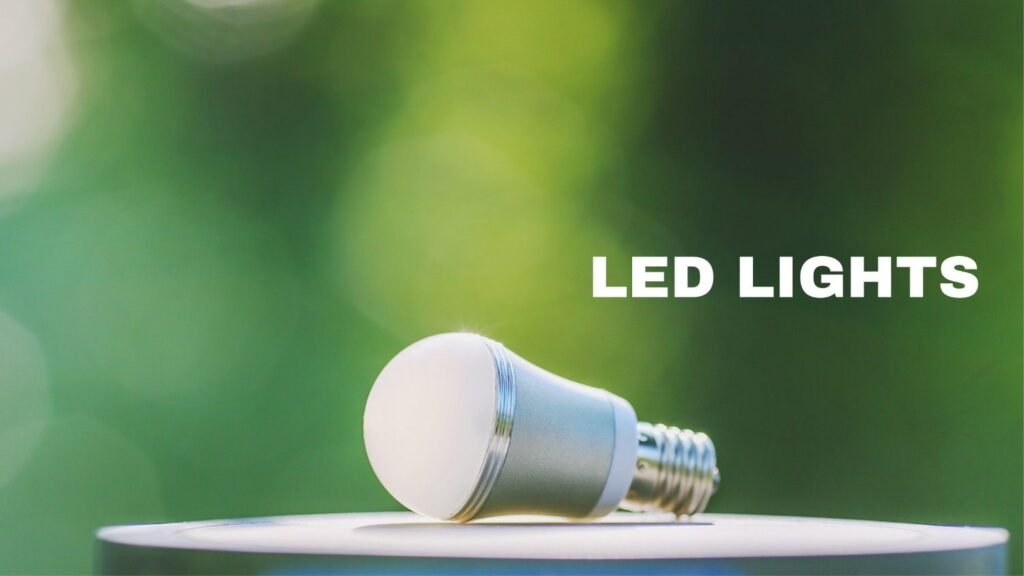
- LED bulbs save 70–80% energy compared to incandescent bulbs.
- They last longer (up to 25,000 hours), reducing replacement costs.
Use Natural Light

- Daytime = sunlight. Open curtains, use sheer panels, and position mirrors to reflect natural light.
- Skylights or light tubes (if possible) are long-term solutions.
Task Lighting Instead of Flooding

- Use focused lights where needed — reading tables, kitchen counters.
- Add dimmers or multiple circuits instead of one bright bulb per room.
Smart Lighting
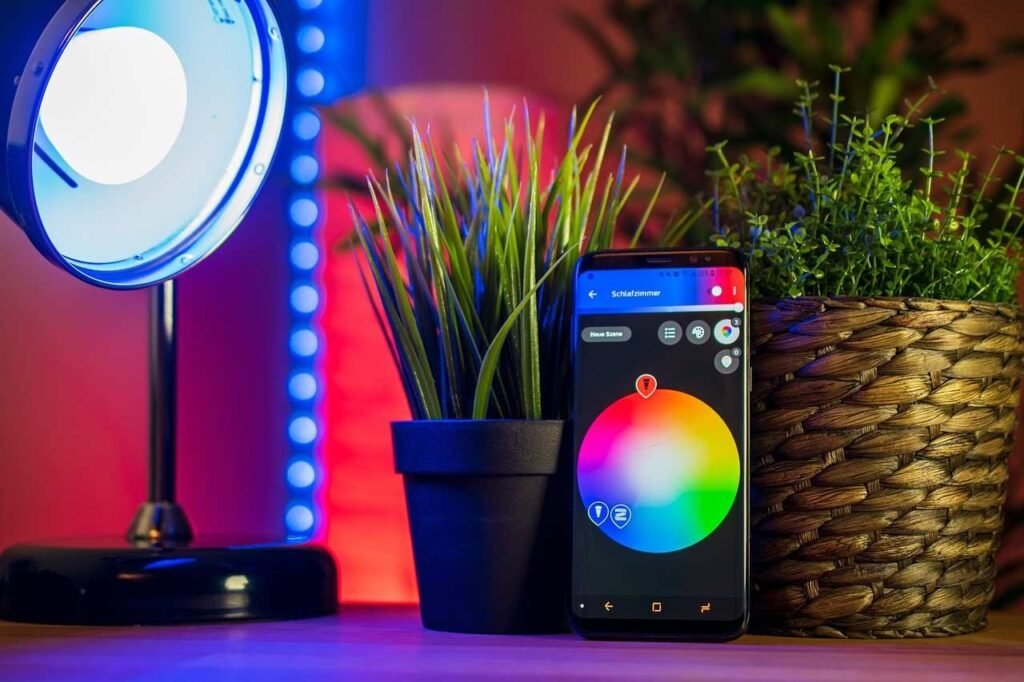
- Motion sensor lights in staircases, bathrooms, and outdoors.
- Dimmers adjust brightness according to ambient light.
Reducing Home Energy Bills: Cooling, Heating & Insulation
ACs and heaters are heavy energy guzzlers. But you can cut their load:
- Insulate walls and roofs with reflective paint or insulating boards.
- Use curtains and blinds to block direct sun.
- Pair ceiling fans with ACs — you’ll feel cooler at 25°C with a fan running.
- Plant greenery around your home for natural cooling.
- Replace electric water heaters with solar water heaters where possible.
Read Also: 12 Curtain Design Ideas for Home- Style Your Space with Elegance
Monitor and Track to Reduce Home Energy Bills
“Pata hi nahi chal raha kahan se bill aata hai?” This is common in most homes. The fix? Track your usage.
- Install smart meters or sub-meters to see where energy is going.
- Many apps show hourly consumption patterns.
- Get a professional home energy audit to find hidden waste.

Studies show households in Mumbai could save 10–17% more just by improving appliance usage habits and maintenance.
Renewable & Hybrid Solutions to Reduce Bills
If you want to go one step further:
- Rooftop solar + net metering lets you generate and use your own electricity.
- Solar water heaters reduce geyser loads.
- Battery + solar combos help during power cuts or peak hours.
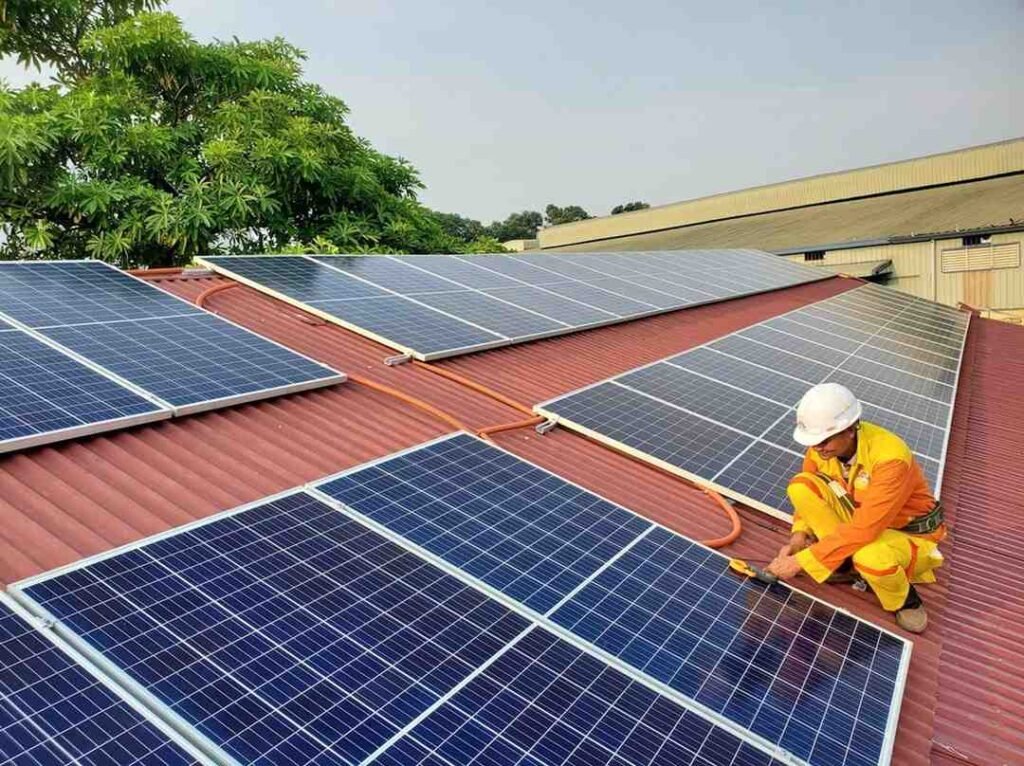
India’s shift to renewables is growing fast — adding solar is not just eco-friendly, it is financially smart.
Step-by-Step Action Plan for Reducing Home Energy Bills
Here is a quick checklist for your home:
- Review last 6 months of bills.
- List your top 5 power-hungry appliances.
- Replace old appliances with star-rated versions.
- Switch every bulb to LED.
- Add timers/smart plugs for geysers & ACs.
- Improve insulation & block sunlight with curtains.
- Track usage monthly with apps.
- Plan rooftop solar if feasible.
- Educate family members — savings multiply when everyone helps.
Common Challenges in Reducing Energy Bills
- Upfront cost: Energy-efficient models or solar require investment.
- Awareness: Many households don’t know about BEE ratings or phantom loads.
- Space issues: Solar panels need rooftop space and sunlight.
- Habits: Old habits die hard; keeping fans and lights on unnecessarily wastes energy.
How Much Can You Save by Reducing Home Energy Bills?
- Switching to LEDs = 20–30% saving on lighting costs.
- Using AC efficiently + insulation = 10–20% lower bills.
- Smart usage + standby reduction = 5–10% savings.
- Adding solar = 20–40% reduction, depending on system size.
Realistically, you can cut 20–35% off your monthly bill.
Conclusion
Cutting down electricity bills is not rocket science. It is about making smart appliance choices, using efficient lighting, and building better daily habits. Add a pinch of automation and some long-term investments like solar, and you will see the difference every month.
Just like in home decor, where less is more, in energy savings too: efficient + conscious = lower bills. Try these tips, and next time you open your bill, you’ll smile instead of getting shocked.
Read More : Affordable Eco-Friendly Home Decor Ideas
FAQs
Q1: Which appliances use the most electricity at home in India?
Ans. Air conditioners, water heaters, refrigerators, and lighting are the biggest contributors. An AC running for 8 hours can easily consume 8–10 units daily, while geysers can take 2–3 units in just one use. Refrigerators consume less per hour but run all day, so their monthly share is high. Fans and irons also add up, especially in summer.
Q2: How can I reduce my electricity bill with appliances?
Ans. Start with buying energy-efficient appliances — always look for a 4 or 5-star BEE rating. Next, use them wisely: keep ACs at 24–25°C, avoid half loads in washing machines, and never leave chargers or TVs in standby mode. Maintenance matters too — clogged AC filters or dusty fridge coils increase power draw. Adding smart plugs and timers also helps automate savings.
Q3: What is the best lighting option to save electricity?
Ans. LED bulbs are the best. They use 70–80% less electricity than incandescent bulbs and last up to 25,000 hours. For example, a 9W LED gives the same brightness as a 60W incandescent. Combine LEDs with smart controls like dimmers or motion sensors, and you’ll save even more.
Q4: Does running the AC at 24°C really save energy?
Ans. Yes, For every degree you lower the AC temperature below 24°C, your AC consumes about 5–10% more energy. At 20–21°C, the compressor works harder, and your bill shoots up. Keeping it at 24–25°C balances comfort and savings. Use ceiling fans with ACs to feel cooler without lowering the thermostat further.
Q5: Can rooftop solar reduce electricity bills in India?
Ans. Absolutely, Rooftop solar with net metering allows you to generate your own electricity. If your home consumes 300 units a month, a small solar system can offset 100–150 units, reducing bills by 30–40%. The payback period is usually 4–6 years, and after that, your electricity is practically free for 15–20 years.