

This year, more families are embracing a zero-waste Diwali India to celebrate joyfully while reducing pollution, waste, and extra expenses. The festival of lights can be meaningful without plastic decor, chemical-heavy crackers, or piles of discarded packaging. A sustainable Diwali does not mean less fun—it means making mindful choices that protect both tradition and the planet.
Here are 12 practical, eco-friendly ideas to help you plan a zero-waste Diwali this year.
Table of Contents
1. Switch to Natural Lighting Over Crackers
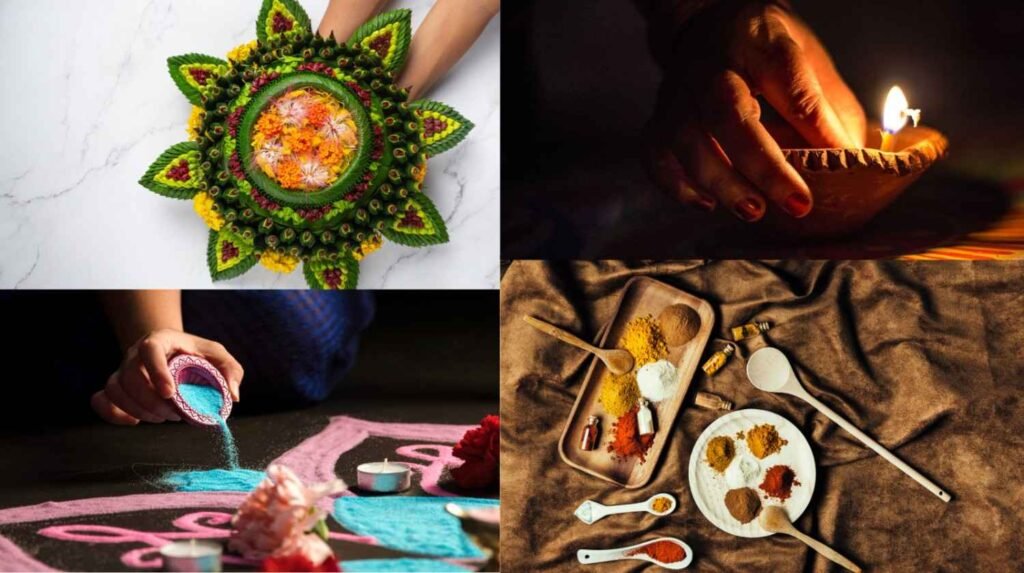
Diwali does not need fireworks to sparkle. The glow of diyas has always been enough. Pick handmade clay diyas from your local potter and fill them with ghee or coconut oil. They look beautiful, smell clean, and support small artisans who rely on the festive season for income.
If you love modern touches, switch to LED string lights — they are power-efficient and last for years.
Read Also : [Sustainable Lighting Hacks for Indian Homes in 2025] for practical and budget-friendly ideas.
2. Decorate the Way Our Grandmothers Did
Before the plastic era, homes looked festive using just what nature offered. Banana leaves, marigold garlands, mango leaf torans, and hand-drawn rangolis — simple, natural, and elegant.
If you like a bit of color, reuse fabric scraps or old dupattas to make buntings. Glass bottles can turn into lanterns with fairy lights inside. It is all about being creative with what is already around you.
Read Also : 15 Affordable Eco-Friendly Home Decor Ideas in 2025
3. Reuse and Repurpose Old Items
Every year, we buy new decorations and throw out the old ones. Try flipping that idea. Bring out your diyas from last year, repaint them, and they will look brand new. Use old gift boxes, ribbons, and paper to wrap presents. Empty jars can hold flowers, sweets, or candles.
A zero-waste Diwali in India starts with using what is already in your home.
4. Sustainable Rangoli Ideas
The floor art we make outside our doors should celebrate life — not chemicals. Use rice flour, haldi, sindoor, or flower petals to design your rangoli. If you have kids, involve them; they will love sorting petals or coloring salt with turmeric and beetroot.
When the festival is over, everything returns harmlessly to the soil.
5. Zero-Waste Gifts
Diwali gifts don’t have to be plastic-packed and mass-produced. A plant, a jar of homemade laddoos, a set of reusable cups, or a hand-poured candle, these are things people actually use.
If you want to stay on theme, look at zero-waste gifts made by local artisans. You support small businesses and skip unnecessary packaging.
For zero-waste gifts, you can visit ZWS Zero Waste Store
Check out our guide to [Eco-Friendly Gifts for Indian Festivals in 2025] for more unique gift ideas.
6. Wrap Gifts the Green Way
Those shiny wrapping papers with metallic finishes ca not be recycled. Instead, wrap gifts in brown paper, newspapers, or fabric. Add a sprig of tulsi, a cinnamon stick, or a dry flower to give it that festive look. It is creative, inexpensive, and waste-free.
7. Go Plastic-Free for Sweets and Snacks
When you buy sweets from a shop, carry your own container. Ask for paper boxes or steel tins instead of plastic trays. At home, serve food in reusable plates instead of disposables. Even better — host a potluck-style Diwali dinner, so everyone brings something in their own dish.
8. Cook Mindfully, Avoid Food Waste
We all tend to overcook during Diwali. This year, plan your menu smartly. Make what your family and guests can finish. If there is extra, share it with guards, delivery people, or animal shelters. Compost the peels and scraps instead of tossing them out.
It ia a simple way to make your Diwali feast feel generous and responsible.
9. Green Cleaning Before Diwali
Every Diwali starts with a deep clean. Instead of harsh chemical sprays, try old-school cleaning hacks: vinegar for glass, baking soda for sinks, tamarind pulp for brass diyas. They work well and do not pollute your home’s air.
Your house will sparkle, and your hands will not sting.
10. Mindful Shopping and Minimalism
Festive sales are everywhere, but half the things we buy end up unused. This year, try a “buy less” Diwali. Repair what you can, and if you do buy, choose brands that use natural materials or upcycled fabrics.
A sustainable Diwali celebration often saves more money than it spends.
11. Celebrate with Community, Not Noise
Loud crackers don’t bring joy — they bring stress for babies, the elderly, and animals. Instead, gather friends and family for a diya-lighting evening, music, or even a shared meal outdoors. A peaceful celebration stays in memory longer than any firecracker.
12. Start a Family Zero-Waste Tradition
Let your kids light diyas, make decorations, and learn how to separate waste. Explain why throwing things away mindlessly affects the earth. When they grow up, these habits will stick, and that is how a green Diwali in India becomes a normal Diwali again.
Why Zero-Waste Diwali India Matters in India 2025?
Every Diwali, Indian cities collect thousands of tonnes of extra waste. Cracker dust, plastic wraps, and burnt paper fill the streets. The air turns grey, and landfills overflow.
By celebrating a zero-waste Diwali in India, you are doing something deeply cultural, returning to simplicity. Clay diyas, homemade sweets, hand-done rangolis, these are the things that actually make the festival feel real. Sustainability is not a trend; it is how our grandparents celebrated long before “eco-friendly” became a word.
Conclusion
A zero-waste Diwali India is not about being perfect — it is about being aware. Celebrate the same joy, the same light, but with fewer regrets the next morning.
When your home glows with diyas, your air stays clean, and your gifts carry thought, you will realize — this is what Diwali was meant to feel like.
Let 2025 be the year India celebrates the festival of lights, not smoke — bright, beautiful, and truly sustainable.
Frequently Asked Questions (FAQs)
Q. How can I celebrate a zero-waste Diwali with kids?
Ans. Get kids involved in DIY activities—making clay diyas, creating rangolis with flowers, or crafting decorations from paper scraps. Teach them why crackers harm animals and air quality. Turning it into a family project makes sustainability fun and educational.
Q. Are eco-friendly crackers really safe and non-polluting?
Ans. “Green crackers” produce less smoke and sound than regular ones, but they still release pollutants. If you want a truly zero-waste Diwali, skip crackers altogether and focus on light-based celebrations—lanterns, diyas, and LED shows.
Q. What are some easy last-minute eco-friendly Diwali ideas?
Ans. Use what is already at home: old jars for candles, sarees for torans, and leftover fabric for gift wrapping. Avoid single-use plastics, and buy local sweets in reusable containers. Even small steps make a big difference.
Q. How can I manage waste after Diwali?
Ans. Segregate waste—organic, recyclable, and non-recyclable. Compost food scraps, reuse decorative items, and recycle packaging. Avoid mixing wet and dry waste so recyclers can process it efficiently.
Q. Is zero-waste Diwali expensive?
Ans. Not at all. In fact, it is cheaper in the long run. You spend less on crackers, disposable items, and new décor. Reusing and repurposing saves money while keeping the festive charm intact.