

Most of the ways to make a living room eco friendly are centered around thoughtful design choices, smart material selection, and energy-conscious upgrades. From flooring and furniture to paint and lighting, every element of your space can be redefined in a way that supports both comfort and sustainability.
You know that “new” smell that comes from a freshly painted wall or a brand-new sofa? That scent is often produced by off-gassing, where furniture and paints release chemicals known as Volatile Organic Compounds (VOCs) into the air. These compounds can affect indoor air quality and, over time, impact health. In fact, studies show that indoor pollutant levels are often two to five times higher than outdoors.
By making eco-friendly choices for your living room, you reduce exposure to these harmful substances, cut down on waste, and create a home that feels both healthier and more welcoming.
Table of Contents
Flooring
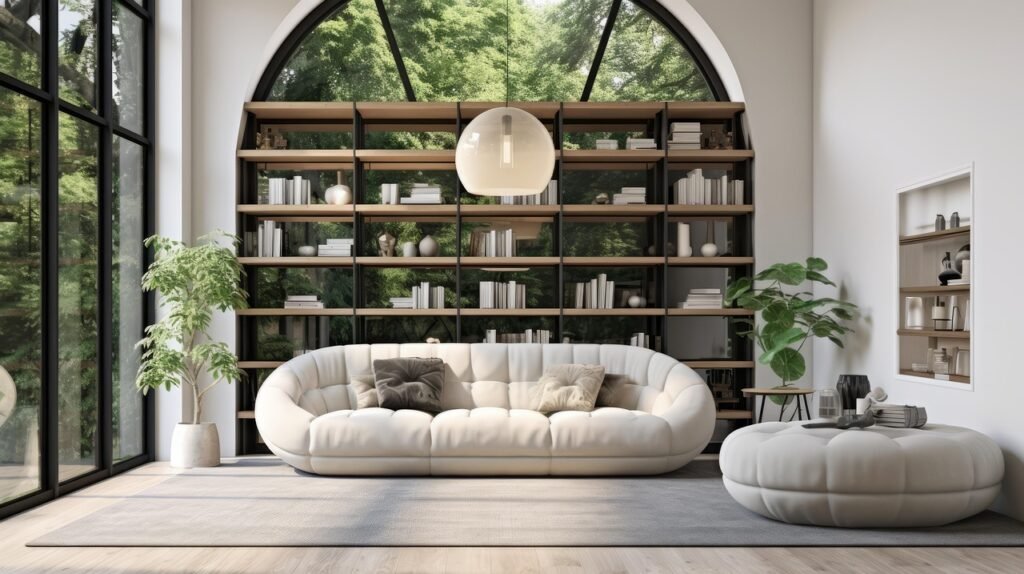
Eco-Friendly Flooring
Traditional hardwood flooring looks beautiful, but it often comes with the cost of deforestation. A more sustainable route is to go for renewable and recycled options such as bamboo, cork, or reclaimed wood. Bamboo grows quickly and requires minimal resources, while cork is harvested without harming the tree, making it highly renewable.
If you prefer a modern style, recycled glass tiles are another option. They are durable, eye-catching, and made from repurposed materials. Check out suppliers like Green Building Supply, where eco-friendly flooring is designed to look stylish without compromising the planet.
Rugs and Carpeting
Rugs add warmth and character to a living room, but synthetic materials like nylon and polypropylene are resource-heavy and release VOCs. Instead, consider organic wool rugs or those made from recycled fibers. Brands like Earth Weave and Merida offer chemical-free rugs that are safe for indoor air quality.
You could even try a DIY approach, like creating a rug out of upcycled fabric or recycled plastic bags. This way, you not only reduce waste but also add a personal touch to your space.
Furniture
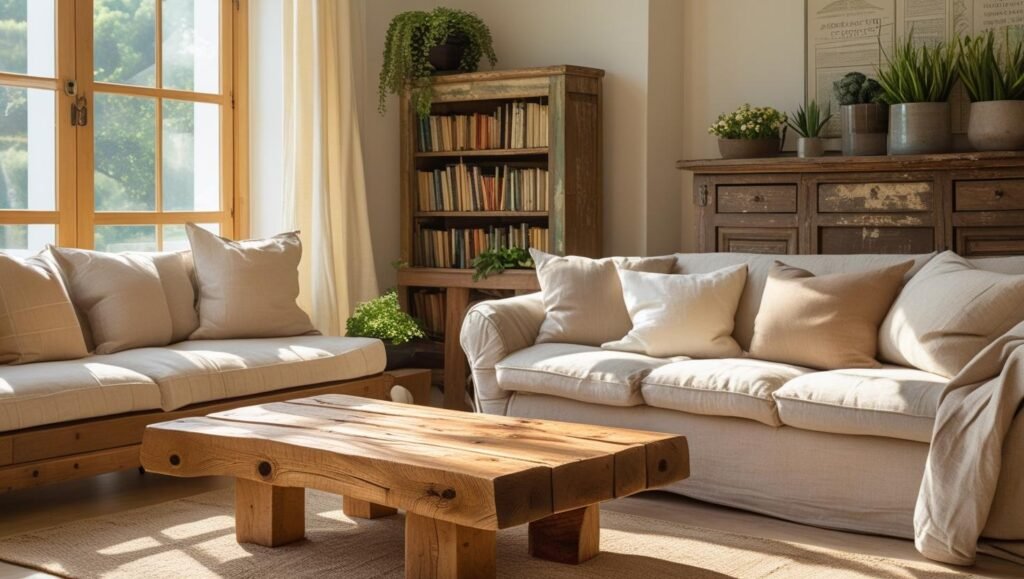
Thrifted and Recycled Furniture
Instead of buying brand-new furniture, consider thrifting or shopping secondhand. Local thrift shops, resale websites, or community groups often have high-quality pieces at affordable prices. Giving pre-loved items a new home reduces demand for mass-produced furniture that may not last long.
If you prefer new items, look for brands that use sustainable materials such as reclaimed wood, bamboo, or recycled metals. Companies like Greenington Bamboo Furniture and Lee Industries specialize in durable, eco-friendly pieces that blend style with responsibility.
Furniture Makeovers
Old furniture doesn’t always need to be replaced. With some sanding, eco-friendly stains, or low-VOC paints, you can refresh wooden chairs, cabinets, or tables. Not only does this save money, but it also helps reduce waste.
Read More : Eco-Friendly Furniture: 10 Sustainable Choices for Every Place
Lighting
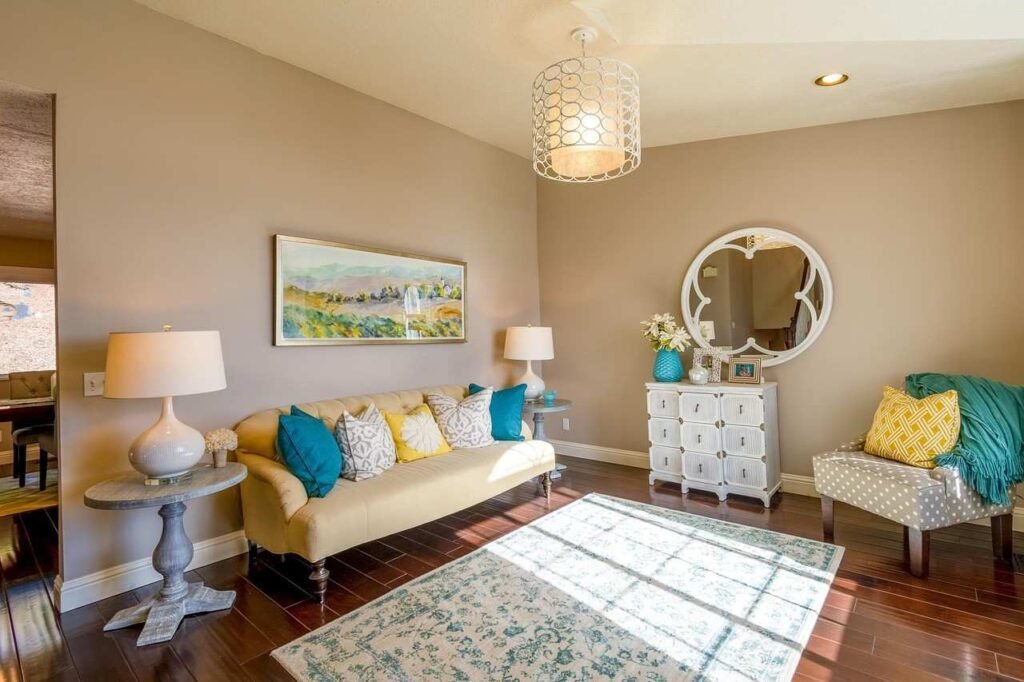
Energy-Efficient Lighting
Switching to energy-efficient lighting is one of the easiest steps to a more eco friendly living room. Replace incandescent bulbs with LED or CFL bulbs, which last longer and use significantly less electricity. Over time, this simple switch reduces energy bills while lowering your carbon footprint.
Another great tip is to maximize natural light. Arrange seating near windows and choose sheer curtains to let in more daylight. This way, you cut down on the need for artificial lighting during the day.
Low-Emission Fireplace
For homes with fireplaces, traditional wood-burning options may not be the most sustainable. Burning wood can release toxins that affect indoor air. A cleaner alternative is a bio-fuel fireplace, which runs on renewable ethanol, or a pellet stove that burns compressed sawdust and agricultural waste instead of logs. Brands like Harman Stoves offer eco-friendly models that provide warmth without compromising air quality.
Decoration

Natural Paints
Paint is another common source of VOCs in the living room. Choosing low-VOC or zero-VOC paints is a healthier option for both you and the environment. Brands like Ecos Paints, Colorhouse, and Natura Paint provide safe alternatives with a wide range of colors.
Another eco option is milk paint, made from milk protein, lime, and natural pigments. It is biodegradable and gives wooden surfaces a rustic, matte finish.
Read More : How to Choose Non-Toxic Eco Paints for Homes in 2025
Sustainable Art
Decor doesn’t have to come at the expense of the planet. Support local artists who use recycled or natural materials in their work. Artists such as Nina Boesch and Marina DeBris create innovative art from reclaimed items, showing that beauty can be found in sustainability.
If you enjoy DIY projects, consider making your own artwork from upcycled wood, fabric scraps, or even dried plants. This adds a personal and eco-friendly touch to your living room walls.
Recycling and Upcycling
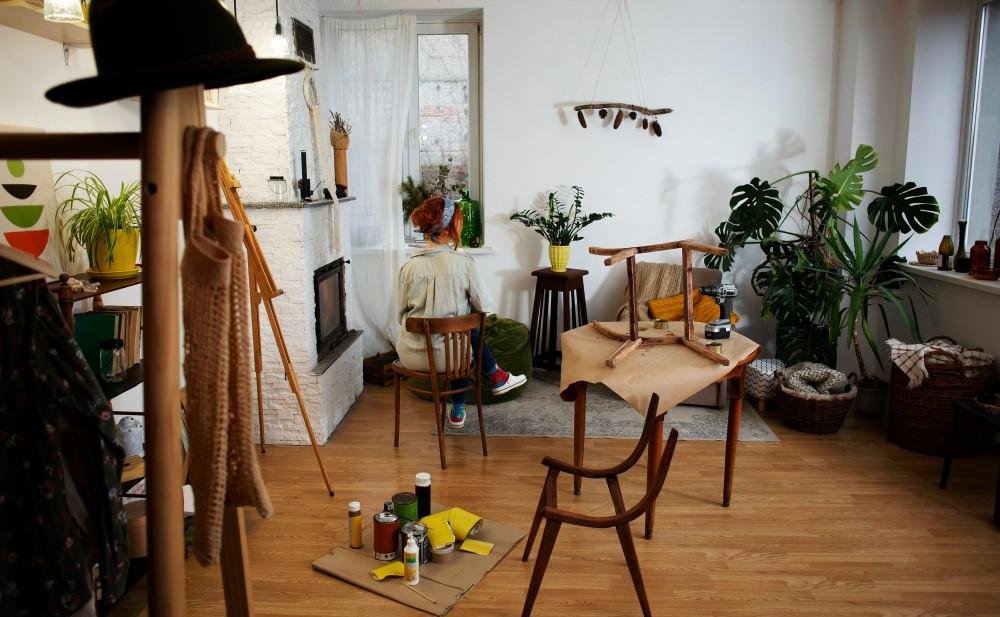
Creative Storage Solutions
Instead of buying mass-produced storage boxes, repurpose old crates, baskets, or vintage suitcases into storage units. They not only organize your space but also bring a unique, rustic charm.
Eco-Friendly Decor
Mason jars, recycled glass bottles, and tin cans can be turned into planters, vases, or candle holders. These small additions create a cozy and resourceful vibe in your eco-friendly living room.
Minimalism and Mindful Living
Declutter and Simplify
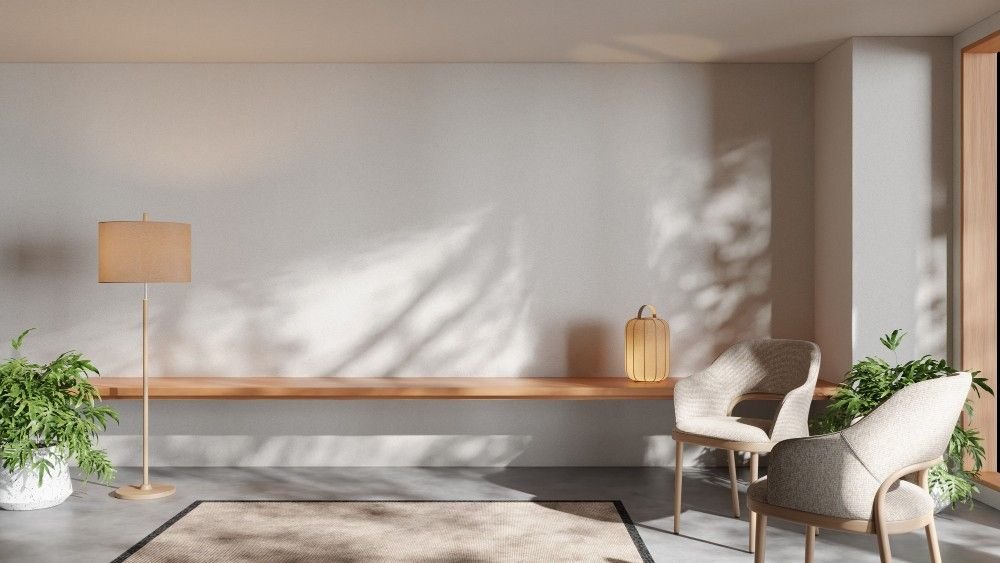
One of the most effective ways to practice sustainable living and eco friendly design is to adopt a minimalist approach. This doesn’t mean stripping your living room bare, but rather being intentional about what you keep. Regularly declutter, and donate or recycle items you no longer use.
Quality Over Quantity
Invest in fewer but higher-quality pieces that last longer. A solid sofa made from sustainable materials will serve you better in the long run than a cheaper, disposable alternative.
Mindful Purchasing
Before buying anything new, ask yourself: Do I really need this, and will it fit into my eco friendly living room for years to come? Being mindful about purchases prevents unnecessary clutter and waste.
Plants and Indoor Air Quality
Houseplants as Natural Purifiers
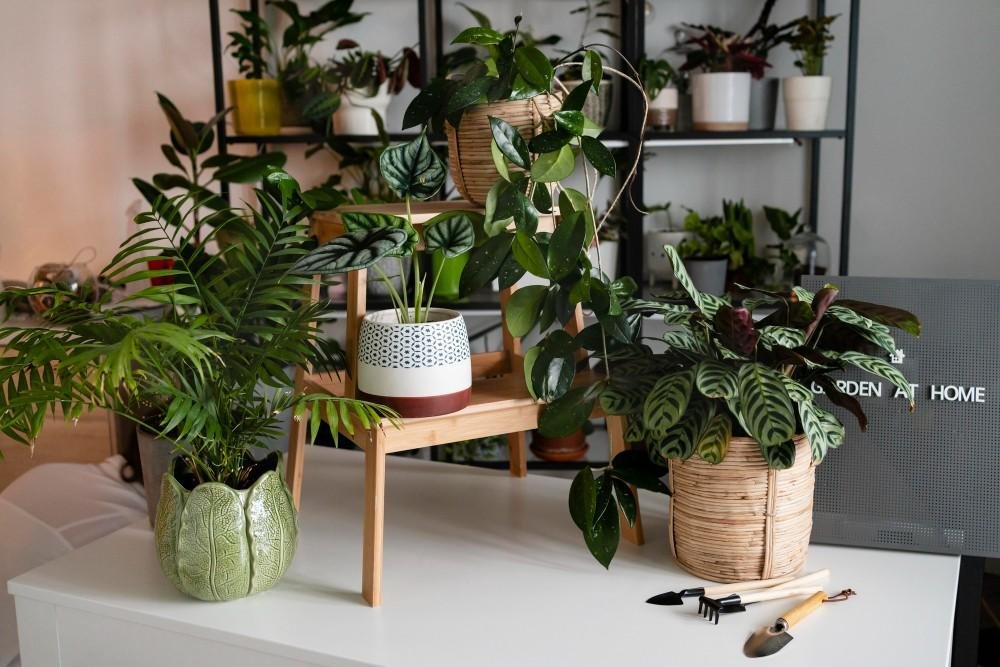
Adding greenery to your living room is more than a style choice—it is also a natural way to improve air quality. Plants like spider plants, snake plants, and peace lilies help filter indoor air and absorb toxins. Place them in recycled pots or handmade planters for an extra sustainable touch.
Read More : Best Air-Purifying Indoor Plants for a Healthier Home
Our Final Thoughts
Transforming your space into a living room eco friendly zone doesn’t require huge changes all at once. Small steps like choosing energy-efficient lighting, repainting with low-VOC paints, or repurposing old furniture can have a big impact. Each choice contributes to healthier air, reduced waste, and a more sustainable lifestyle.
By embracing these eco-friendly ideas, your living room becomes more than just a space to relax, it becomes a reflection of your commitment to sustainable living and eco friendly design. Whether through recycled furniture, natural decor, or energy-saving choices, your efforts help create a home that is stylish, practical, and kind to the planet.
FAQs
1. How can I make my living room eco-friendly on a budget?
You do not need to spend a lot to create an eco friendly living room. Start by using what you already own repaint old furniture with low-VOC paints, repurpose jars or tins into decor, and shop secondhand for furniture or rugs. Switching to LED bulbs and adding houseplants are also affordable ways to make your space greener.
2. What type of furniture is best for a sustainable living room?
Look for furniture made from reclaimed wood, bamboo, or recycled materials. These options last longer and reduce waste compared to cheaply made, mass-produced pieces. Thrifted or vintage furniture is also a great eco-friendly choice, as it extends the life of existing items rather than creating demand for new ones.
3. Are eco-friendly paints really better?
Yes, eco-friendly paints are safer for both your health and the environment. Low-VOC and zero-VOC paints release fewer harmful chemicals into the air, improving indoor air quality. They are available in a wide variety of colors and finishes, so you don’t have to compromise on style.
4. How do plants make a living room more eco-friendly?
Houseplants act as natural air purifiers by absorbing toxins and improving oxygen levels indoors. Plants like spider plants, peace lilies, and snake plants are easy to care for and make your living room healthier while adding beauty. Placing them in recycled or handmade pots adds to their eco-friendly charm.
5. What is the first step to designing an eco friendly living room?
The easiest first step is to focus on energy use. Replace old bulbs with LEDs, maximize natural lighting, and unplug devices when not in use. From there, you can gradually move on to eco-friendly furniture, rugs, paints, and decor. Small, consistent changes often make the biggest impact.